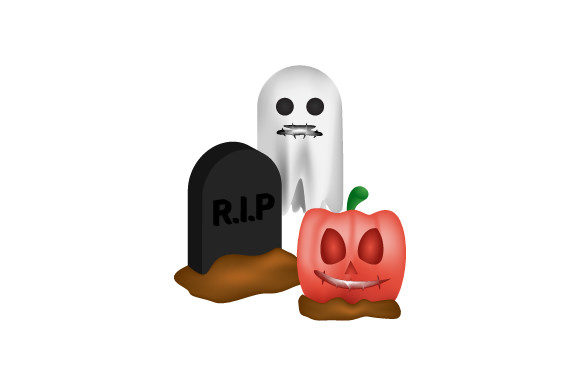
3D Halloween Scary Concept Design: A Comprehensive Evaluation
In the realm of digital art and seasonal marketing, visual impact is paramount. As the demand for immersive experiences grows, 3D Halloween Scary Concept Design has emerged as a dominant style for creating atmosphere and engagement. Unlike traditional 2D illustrations, three-dimensional designs offer depth, lighting effects, and spatial realism that can transform a flat image into a tangible scene. This article evaluates the utility, application, and strategic value of these assets, specifically focusing on their role in decoration and background design.
Understanding the Medium: What Is It?
3D Halloween Scary Concept Design refers to digital artwork created using specialized software to render objects, characters, and environments with volumetric properties. These designs simulate real-world physics, including shadows, textures, and reflections, resulting in a hyper-realistic or stylized realistic appearance. The "scary" element is achieved through composition, color theory, and character modeling to evoke fear, suspense, or unease.
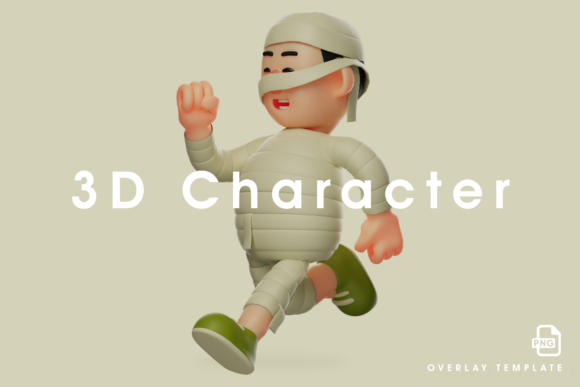
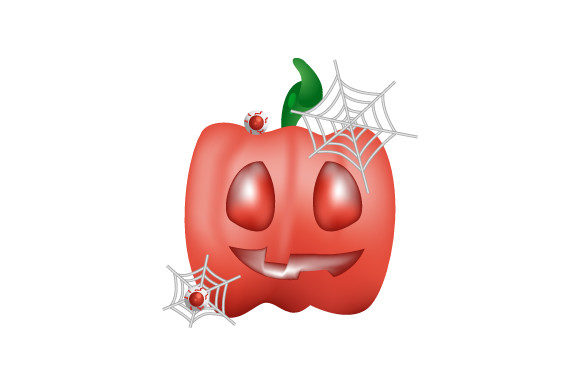
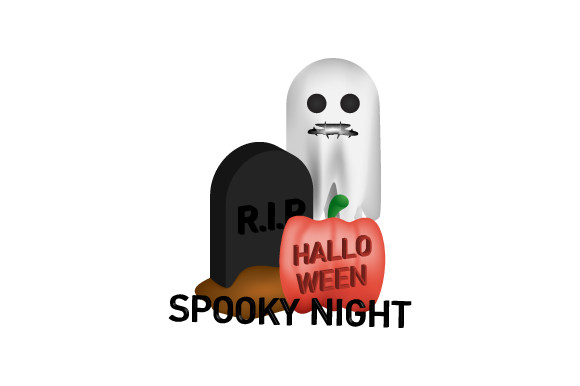
When creators refer to files isolated for decoration and background design, they are typically discussing assets where the subject is separated from its original context. This isolation allows designers to place a 3D pumpkin, ghost, or monster onto any surface without worrying about complex masking or background removal. The versatility of these concepts lies in their ability to be manipulated in space—rotated, scaled, and lit differently to suit specific project requirements.
Why Professionals and Hobbyists Are Interested
The interest in high-quality 3D assets stems from the limitations of stock photography and flat vector graphics. In a crowded market, standard imagery often fails to capture attention. A well-executed 3D concept offers several distinct advantages:
- Visual Depth: 3D renders provide a layer of realism that flat images cannot match, making them ideal for promotional materials that need to stand out.
- Customizability: Because the source files are often generated digitally, elements like lighting intensity, object rotation, and texture mapping can be adjusted post-production.
- Consistency: For branding campaigns, 3D assets ensure that the character or theme remains consistent across various media, from social media posts to large-scale billboards.
For event planners and decorators, these designs serve as a blueprint. They allow for the visualization of physical setups before construction begins, reducing waste and ensuring the final result matches the vision.
File Formats and Technical Considerations
The value of a design asset is heavily dependent on the file formats provided. When evaluating a package containing AI - EPS - JPG - PNG, it is crucial to understand the specific use case for each format.
AI (Adobe Illustrator) and EPS (Encapsulated PostScript) are vector-based formats. These are essential for print applications requiring scalability. If you plan to print a banner, a t-shirt, or a large poster, these formats ensure the image remains crisp at any size without pixelation. They are also editable, allowing designers to modify colors or shapes within the design itself.
JPG and PNG are raster formats. While they do not scale infinitely, they are optimized for screen display. The PNG format is particularly critical for this category of work because it supports transparency. An isolated 3D design saved as a PNG allows the user to drop the scary figure directly onto a website background, a video frame, or a digital flyer without an unsightly white box surrounding the subject. The JPG format serves as a compressed preview or a final output for web use where transparency is not required.
Situations Where This Design Style Is a Strong Fit
Determining whether 3D Halloween assets align with your goals requires assessing the medium of delivery. These designs are particularly effective in scenarios demanding high visual fidelity.
Digital Marketing and Social Media: In the digital space, users scroll quickly. A 3D rendered image with dynamic lighting and depth stops the scroll more effectively than a flat illustration. For Halloween-themed email campaigns or Instagram stories, isolated 3D elements create a sense of immersion that increases click-through rates.
Event Decoration and Spatial Design: For physical events, such as haunted houses or corporate Halloween parties, 3D concept designs act as precise guides. Decorators can use these visuals to determine the placement of props, the angle of lighting, and the necessary scale of decorations. The isolated nature of the files allows for easy integration into mood boards presented to clients.
E-commerce and Product Packaging: Brands looking to launch limited-edition Halloween packaging benefit from the premium look of 3D design. It conveys quality and attention to detail, which can justify higher price points for products ranging from candy to cosmetics.
Tradeoffs and Limitations to Consider
While powerful, 3D concept designs are not a universal solution. There are tradeoffs that must be weighed during the selection process.
Cost and Complexity: High-quality 3D assets often require more resources to produce and purchase compared to simple 2D clipart. Additionally, if the client intends to edit the AI or EPS files, they must have access to professional design software like Adobe Illustrator or CorelDRAW. Users without these tools may find the vector files difficult to utilize.
Realism vs. Stylization: Sometimes, a hyper-realistic 3D look can feel too cold or sterile for a family-friendly Halloween event. If the goal is a whimsical, hand-drawn aesthetic, a 3D render might clash with the desired tone. Furthermore, 3D assets can sometimes appear overly polished, lacking the "grit" associated with traditional horror aesthetics.
Integration Challenges: While the files are isolated, integrating a 3D object into a 2D environment requires skill. Lighting mismatches can make a floating ghost look fake rather than spooky. The designer must carefully match the light direction and shadow of the 3D asset to the background environment.
Alternatives Worth Considering
If 3D designs do not align with your budget, technical capabilities, or artistic vision, other options exist.
Photography: Real-world photography offers unmatched authenticity. If the goal is to show actual props being used, photos of real decorations may be more relatable than a computer-generated image. However, photography lacks the flexibility of 3D assets regarding changes to the scene after the shoot.
2D Vector Illustrations: For projects requiring a clean, graphic look, 2D vectors are lighter and easier to manipulate for animation. They are excellent for web interfaces where load speed is a concern, as they generally have smaller file sizes than high-resolution 3D renders.
Hand-Drawn Art: For brands seeking a unique, artisanal identity, hand-drawn illustrations provide a personality that mass-produced 3D assets often lack. This approach is better suited for boutique businesses or niche markets.
Practical Decision-Making Insights
To decide if 3D Halloween Scary Concept Design is the right choice, ask the following questions:
- What is the primary output? If the final product involves large-format printing or high-end digital displays, the resolution and depth of 3D assets are superior.
- Do I need to modify the image? If you need to change colors, remove backgrounds, or reposition elements frequently, the availability of AI, EPS, and transparent PNG files is non-negotiable.
- What is the brand voice? Does your brand communicate modernity and innovation? If so, 3D fits well. Does it communicate tradition and warmth? A 2D or photographic approach might be safer.
- What are the technical constraints? Ensure your team has the software required to open and edit the vector files included in the package.
Ultimately, the decision rests on the balance between visual impact and practical utility. 3D Halloween designs offer a sophisticated toolset for creators who need to command attention and convey a sense of realism. By understanding the strengths of the AI, EPS, JPG, and PNG formats provided, and by recognizing when alternative styles might serve the project better, professionals can make informed choices that enhance their Halloween campaigns.
Whether used for isolating a terrifying figure for a background or planning a full-scale decorative installation, the right asset selection ensures that the final execution meets both aesthetic and functional standards. Careful evaluation of these factors will lead to a successful integration of 3D concepts into your creative workflow.