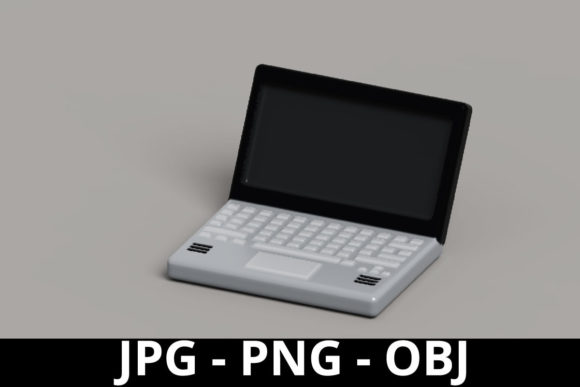
3d Laptop Perfect for Design Project: The Ultimate Resource for Modern Creators
In the fast-paced world of digital creativity, having a versatile and high-quality asset can make the difference between a flat presentation and a compelling visual story. This is where the 3d Laptop Perfect for Design Project comes into play. It isn't just another generic icon or a static image; it is a comprehensive ZIP folder containing a suite of formats including JPG, PNG, and OBJ files. Designed to bridge the gap between concept and reality, this resource offers a blank canvas that adapts seamlessly to your specific needs, whether you are building a website mockup, creating an advertisement, or developing a complex 3D scene.
The beauty of this collection lies in its flexibility. When you open the folder, you aren't limited to a single perspective. You have access to multiple renderings that capture the essence of modern technology without imposing a specific brand identity. This "blank slate" approach allows designers to overlay their own logos, custom interfaces, and unique color schemes, making every project feel bespoke and professional.
Real-World Applications Across Industries
While the file itself is simple, the scenarios where it shines are vast. Let's look at how different professionals utilize these assets in their daily workflows. The 3d Laptop Perfect for Design Project serves as a foundational element for anyone needing to visualize digital solutions in a tangible way.
- Digital Agencies and Web Developers: Imagine you are pitching a new e-commerce platform to a client. A standard screenshot often fails to convey the mobile-first experience or the responsive nature of the design. By placing your interface on one of the laptop screens from this set, you create a realistic context. The clean, minimal background ensures the focus remains on the UI/UX, while the 3D rendering adds depth and sophistication that flat images simply cannot achieve.
- Marketing and Advertising Teams: In the realm of social media advertising, capturing attention within seconds is crucial. A static banner might get scrolled past, but a dynamic, high-resolution render of a sleek device displaying a vibrant campaign can stop the scroll. The inclusion of PNG files with transparent backgrounds means you can easily composite the laptop into various environments—sitting on a coffee shop table, floating in a cloud-based office, or resting on a modern desk setup.
- Software and App Developers: Before a product hits the market, developers need to showcase features. Using the OBJ format, you can manipulate the laptop in a 3D space, rotating it to show off the keyboard layout or the screen bezel. This is particularly useful for tech blogs and review sites that need to illustrate hardware specifications or software compatibility without needing to photograph physical prototypes.
- Freelance Illustrators and Concept Artists: For those working on abstract concepts like "remote work," "cybersecurity," or "digital transformation," the laptop acts as a universal symbol. You can isolate the object, apply lighting effects, and integrate it into a larger illustration that communicates complex ideas through simple, recognizable imagery.
Why the Variety of Formats Matters
The strength of this tool lies in the diversity of the files included. Each format serves a distinct purpose in the creative pipeline, ensuring you never hit a roadblock due to technical limitations.
When you need speed and simplicity, the JPG and PNG options are your go-to. These raster images are perfect for web use, social media posts, and quick presentations. They load fast, look crisp on high-resolution displays, and require no special software to view. If you are working on a deadline and need to drop an image into a PowerPoint slide or a Canva template, the PNG version with its transparency support is invaluable. It allows you to blend the laptop perfectly into any background, removing the need for tedious manual masking.
However, when the project demands more than just a picture, the OBJ file becomes essential. This vector-like 3D model opens up a world of possibilities in software like Blender, Maya, or Cinema 4D. With the OBJ format, you are not stuck with a fixed angle. You can rotate the laptop to a three-quarter view, zoom in on the keyboard, or change the lighting to simulate a sunset in a home office. This level of control is what separates amateur designs from professional-grade visualizations.
Navigating Common Considerations
Before diving into your next project, there are practical aspects to keep in mind to ensure you get the most out of the 3d Laptop Perfect for Design Project. While the assets are designed for versatility, understanding their strengths and limitations will save you time and frustration.
One of the primary considerations is the resolution of the raster files. High-quality renders are great, but if you plan to print the image on a large billboard, you must ensure the DPI (dots per inch) meets printing standards. Always check the pixel dimensions of the JPG and PNG files before committing to a print run. If the resolution is too low, the text on the screen may appear blurry, which can undermine the credibility of your design.
Another factor is the lighting and shadows. Since these are pre-rendered objects, the lighting direction is baked into the image. If your project requires a light source coming from the opposite side of the laptop, you might find yourself fighting against the existing shadows. In such cases, switching to the OBJ file and re-rendering the scene is the better solution. It gives you the freedom to adjust the environment to match your specific lighting requirements.
Furthermore, consider the "brand neutrality" of the laptop. Because the design is generic, it lacks specific branding like Apple or Dell logos. While this is a feature for customization, it also means you have to be careful if your client specifically wants a branded device. In those instances, you would need to map textures onto the laptop using the OBJ file or use Photoshop to add the necessary logos manually.
Maximizing Creative Potential
To truly leverage the 3d Laptop Perfect for Design Project, think beyond the obvious. Don't just use it to display a website. Use it to tell a story about connectivity, security, or innovation. The isolated nature of the object allows it to float in abstract spaces, representing the intangible nature of the internet and cloud computing.
For businesses looking to modernize their online presence, these visuals can elevate their brand perception instantly. A company selling cybersecurity software can use a dark-mode laptop render to imply protection and secrecy. A graphic design agency can use a bright, colorful screen to suggest creativity and vibrancy. The adaptability of the device makes it a chameleon for your message.
Additionally, the portability aspect of the laptop in the render can be used to emphasize the "work from anywhere" culture. By placing the laptop in various settings—from a park bench to a corporate boardroom—you can visually communicate the freedom and flexibility that modern technology provides. This narrative approach resonates deeply with audiences aged 20 to 50 who value balance and mobility in their digital lives.
Ultimately, the 3d Laptop Perfect for Design Project is more than just a download; it is a toolkit for communication. Whether you are isolating the device for a minimalist poster or integrating it into a complex 3D network diagram, the quality and variety of the assets ensure that your vision is realized with clarity and impact. By focusing on real-world utility and creative freedom, this resource empowers designers to move faster and produce higher-quality work.
As you explore the contents of the ZIP folder, remember that the true value lies in how you apply it. Experiment with different angles, combine the 3D elements with photography, and let the blank screen inspire your next big idea. In a digital landscape crowded with noise, a well-executed 3D render stands out, offering a clear, professional, and engaging focal point for your audience.