The Ultimate Guide to Blank Pack Package Boxes: From 3D Vector Templates to Design Mastery
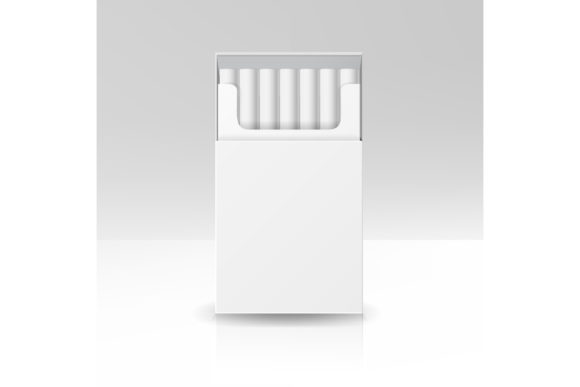
In the fast-paced world of graphic design and product packaging, few elements are as ubiquitous yet as deceptively simple as the cigarette pack. Whether you are a seasoned illustrator creating mockups for a portfolio or a marketing student learning the ropes of brand identity, understanding the anatomy of a blank pack package box of cigarettes is essential. This guide dives deep into the significance of these designs, exploring how they transition from physical objects to digital assets like the Opened Pack Of Cigarettes and Blank Pack Package Box Of Cigarettes 3D Vector Template For Design.
While the subject matter involves tobacco products, the core focus here remains on the design principles, the technical specifications of vector files (JPG, EPS), and the creative applications that make these templates indispensable tools for professionals worldwide.
Understanding the Foundation: What Is a Blank Pack?
To truly appreciate the utility of a blank pack template, one must first understand what it represents in the design ecosystem. A blank pack package box is essentially a canvas without a specific brand logo or marketing copy. It provides the structural integrity and the visual "skin" of a product without the distraction of existing branding.
Imagine you are designing a new beverage label. You wouldn't want to start with an image of a Coke can; you would need a neutral background to visualize your own art. The same logic applies to cigarette packaging. These templates serve as the digital equivalent of a pristine, unprinted cardboard box waiting for ink. They allow designers to:
- Test Visual Hierarchy: See how warning labels interact with the overall layout.
- Create Realistic Mockups: Present client concepts in a lifelike setting before production begins.
- Ensure Accuracy: Adhere to strict regulatory guidelines regarding size, font placement, and mandatory health warnings.
Without these foundational assets, designers would be forced to manually draw every fold, crease, and shadow, wasting hours of time that could be spent on creativity.
The Power of 3D Vector Technology
Modern design relies heavily on the transition from two-dimensional sketches to three-dimensional reality. This is where the Blank Pack Package Box Of Cigarettes 3D Vector Template For Design becomes a game-changer. Unlike standard raster images (like basic JPEGs), vector graphics are mathematically defined. This means they can be scaled infinitely without losing quality, a crucial feature when moving from a small phone screen preview to a large billboard display.
Why Choose Vector Over Raster?
When working with a 3D vector template, you gain unparalleled flexibility. Here is why this format is preferred by industry experts:
- Editability: In vector formats (such as EPS), individual layers are often separated. You can change the color of the box, alter the curvature of the edges, or adjust the lighting effects independently.
- Resolution Independence: Whether you are printing a business card or a shipping container, the lines remain crisp. There is no pixelation.
- Lighting and Shadows: High-quality 3D vectors simulate real-world physics. They include pre-rendered shadows and highlights that give the object depth, making it look photorealistic even though it is still a digital file.
This technology bridges the gap between imagination and execution. A designer can take a flat concept and instantly transform it into a tangible-looking product sitting on a table, complete with realistic reflections and texture.
Decoding the Formats: JPG vs. EPS
When downloading resources like an Opened Pack Of Cigarettes or a blank box template, you will often encounter two primary file formats: JPG and EPS. Understanding the difference is vital for selecting the right tool for your job.
The Role of JPG Files
JPEGs are raster images composed of pixels. When you see a high-resolution photo of an opened pack of cigarettes in a JPG format, it is essentially a photograph frozen in time. These files are excellent for:
- Quick Visualization: Uploading a concept to a website or social media quickly.
- Final Presentation: Showing a client exactly what the final print will look like without needing complex software.
- Web Optimization: Their smaller file size makes them ideal for online portfolios.
However, the downside is rigidity. Once saved as a JPG, you cannot easily move the wrapper or change the angle of the pack without starting over.
The Versatility of EPS Files
On the other hand, the EPS (Encapsulated PostScript) format is the gold standard for print and editing. An EPS file containing a 3D vector template allows you to open the document in software like Adobe Illustrator or CorelDRAW. Inside, you will find:
- Editable Layers: Separate paths for the front, back, sides, and the inner tray.
- Scalable Graphics: Logos and text can be resized without blurring.
- Customization: You can swap out the background, change the material texture (e.g., matte to glossy), or reposition the pack entirely.
If your goal is to create a professional mockup where you have full control over the outcome, the EPS version of the Blank Pack Package Box is your only choice.
Practical Applications in Modern Life and Business
Why does all this technical detail matter? How does a 3D vector template fit into the daily lives of designers, marketers, and educators?
Portfolio Development
For junior designers, building a strong portfolio is critical. However, creating original product photography requires expensive equipment and studio space. By using a blank pack package box template, a designer can showcase their typography skills, color theory knowledge, and layout abilities without ever buying a single pack of cigarettes. They can place their fictional brand logos onto the template and present a campaign that looks 100% real.
Educational Tools
In educational settings, these templates are invaluable for teaching supply chain management, regulatory compliance, and ethical marketing. Students can learn about the legal requirements of packaging—such as the placement of health warnings—by manipulating a blank pack in a safe, digital environment. They can experiment with different layouts to see which one maximizes readability and compliance simultaneously.
Marketing and Advertising
Beyond tobacco, the principles learned from these templates apply to any rectangular consumer packaged good (CPG). Food boxes, medicine bottles, and cosmetic jars share similar structural constraints. Mastering the Opened Pack Of Cigarettes design teaches a designer how to handle complex folding patterns and how to make a product stand out on a crowded shelf.
Clarifying Misconceptions About Packaging Design
There are several common misunderstandings regarding packaging templates that beginners should avoid. One major assumption is that a template is just a static picture. As we discussed, modern templates are dynamic systems of vectors and layers. Another misconception is that these designs are only relevant to the tobacco industry. While the examples provided often feature cigarette packs due to their standardized shapes, the underlying structure is applicable to almost any rigid box product.
Furthermore, some users believe that using a template limits creativity. On the contrary, a Blank Pack Package Box Of Cigarettes 3D Vector Template acts as a scaffold. It removes the burden of technical drawing, allowing the designer to focus purely on aesthetics, message, and user experience. It is the difference between building a house from scratch versus having the foundation and framing already set up—you can then focus on painting the walls and decorating the rooms.
Best Practices for Using These Templates
To get the most out of your blank pack package box resources, consider the following best practices:
- Check Resolution: Always ensure your source files are at least 300 DPI for print projects to avoid blurry text.
- Respect Regulations: If designing for actual use, remember that many countries have strict laws regarding health warnings and imagery. Use templates that include these placeholders correctly.
- Layer Management: When working with EPS files, keep your layers organized. Name them clearly (e.g., "Front Panel," "Side Flap") to save time during edits.
- Lighting Consistency: Ensure that the lighting on your added artwork matches the lighting on the template. Mismatched shadows can ruin the illusion of realism.
Conclusion: Elevating Your Design Workflow
In conclusion, the Blank Pack Package Box of Cigarettes and its associated 3D vector templates are far more than just digital clip art. They are sophisticated tools that empower designers to bridge the gap between concept and reality. Whether you are utilizing a JPG for quick previews or diving deep into an EPS file for complex customization, these assets streamline the workflow and elevate the quality of your output.
By understanding the mechanics behind the Opened Pack Of Cigarettes and mastering the use of 3D vector technology, you equip yourself with skills that are transferable across industries. From education to commercial advertising, the ability to create realistic, high-fidelity mockups is a superpower in the modern design landscape. Embrace these tools, respect the technical nuances, and let your creativity shine through the perfect blank canvas.
As you move forward in your design journey, remember that the best work often comes from combining technical precision with artistic vision. Let the Blank Pack Package Box be your starting point, not your limit.